Feb 3, 2026
We’re Not Losing Originality Because of AI, We’re Losing It Because of How We Use It
There’s a growing feeling in the creative world that originality is fading in the age of AI. But the problem isn’t that AI exists. It’s how we’ve chosen to use it.
Scroll through enough AI-generated content today and you’ll notice something unsettling. Most of it looks the same. That’s because much of it is built on templates. Every tool has a recognizable visual language shaped by the data it’s trained on. After a while, you don’t need a watermark to identify it. You can spot it instantly.
Some will argue that no idea is truly original. Everything is inspired by something else. And that’s true. Creativity has always been a conversation with the past. But inspiration and imitation are not the same thing. Inspiration transforms. Imitation repeats.
What’s more concerning is seeing well-established brands slowly drift away from their own identity just because AI can generate something faster. Convenience starts driving creative decisions. And when speed becomes the priority, sameness follows. When everything starts to look alike, brand value doesn’t collapse overnight. It quietly erodes.
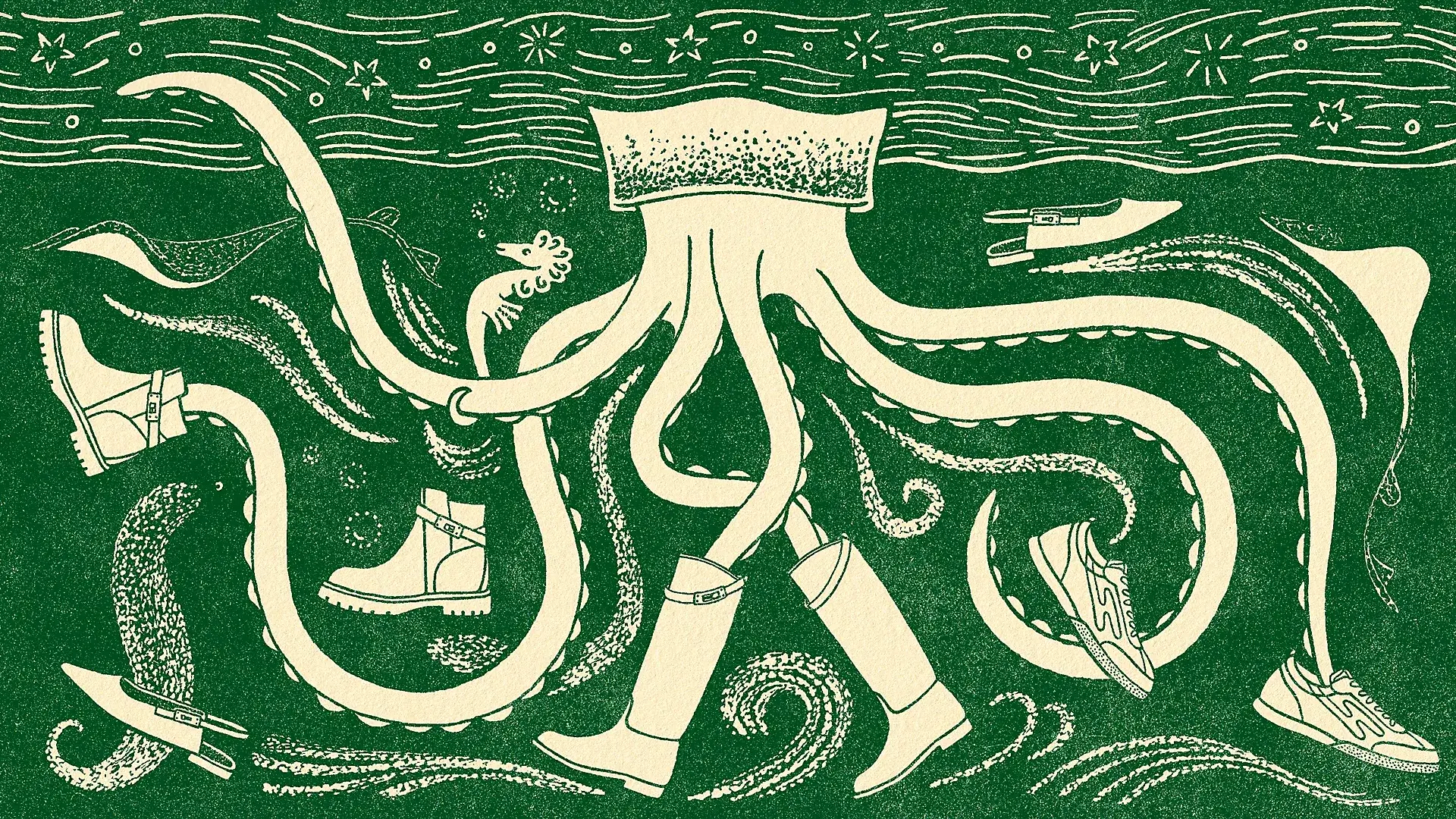
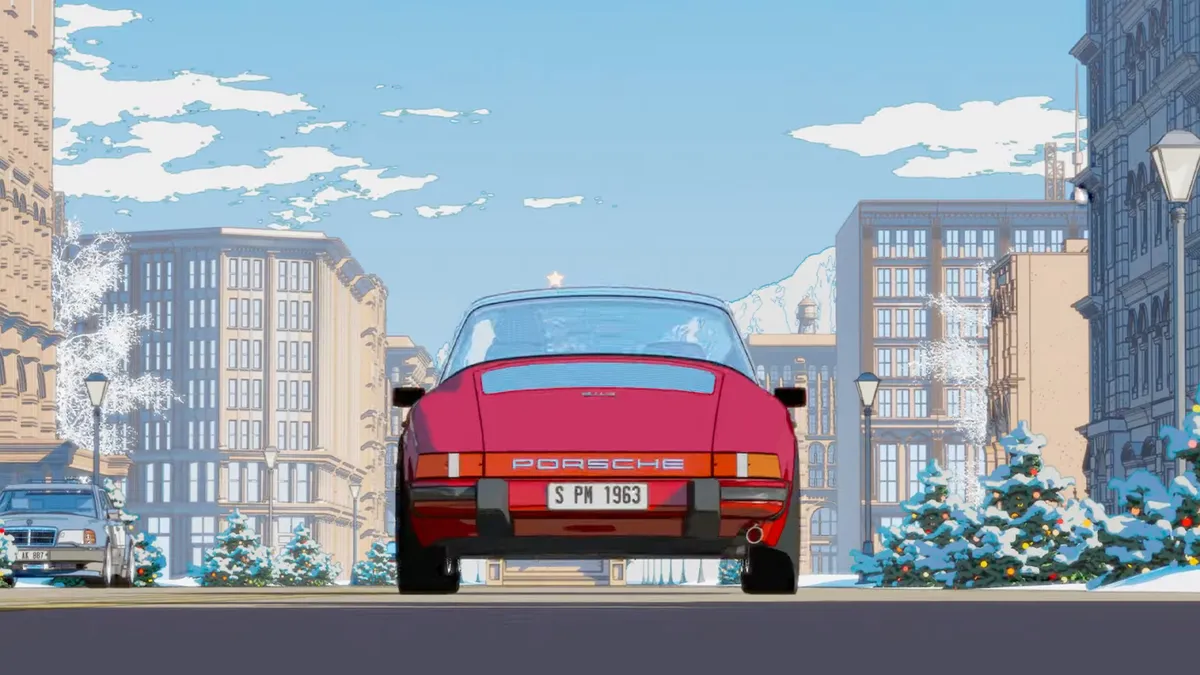
You can already see the contrast with brands like Porsche and Hermès. Their recent campaigns and product storytelling remain rooted in craft, consistency, and a clearly defined visual language. Technology may support their workflows behind the scenes, but it doesn’t dictate how the brand looks, feels, or speaks. That distinction matters.
At the same time, AI templates absolutely have a place. For early-stage or small brands without in-house teams, AI is often the most accessible entry point. Outsourcing is expensive, timelines are tight, and AI can help them get started without compromising survival. In those cases, AI isn’t a shortcut. It’s a bridge.
So what’s the solution for brands that do care about long-term identity? It’s not prompt engineering.
The real shift comes from using style references. AI isn’t trained on your brand. Your colors, your illustrations, your tone, your history. When you don’t give it references, it fills the gaps by guessing. But when you feed it your own visual and stylistic cues, it stops guessing and starts aligning.
AI should never define your brand style. Your brand style should guide your AI.